Roots reggae music is Jamaican reggae with its collar undone — deeply rhythmic, vocal-led, and built to be felt as much as heard. It’s most closely tied to the 1970s, when bass and drums moved to the front of the mix, guitar started talking in offbeats, and the space between the notes got treated with as much care as the notes themselves. The lyrics, more often than not, are reaching for something: spirituality, history, survival, justice, resistance. The term “roots reggae” is a useful compass here, not a rulebook. It points you toward a shared current, not a checklist a record has to pass. [1] [2]
In listening terms: roots reggae is where the rhythm feels grounded and heavyweight, the vocal carries a message, and the space around the instruments feels as meaningful as the notes themselves.
If you came here asking what is roots reggae, the short version is this: it’s reggae whose musical weight and lyrical focus make the rhythm feel purposeful as well as danceable. The style took shape in a Jamaica where reggae had already become a vehicle for social commentary, praise and communal expression — and it grew louder from there. Many of the genre’s defining recordings pull directly from the language and worldview of Rastafari, including the recurring contrast between Babylon, an oppressive system, and Zion, a horizon of spiritual and material liberation. That context deserves care. Rastafari is a living spiritual and cultural tradition, not a decorative theme, and roots reggae holds many individual voices, approaches and beliefs inside it — not one. [1] [3]
Across its many forms, roots reggae music asks you to hear rhythm, lyric and studio space as parts of one social and spiritual conversation.
This guide is a listener’s starting point for roots reggae music within the wider Reggae Styles map. Head back to the wider map whenever you want to trace the lines between ska, rocksteady, roots, dub and later forms, then come back here with your ears open.
Roots Reggae Music at a Glance
Where did roots reggae music take shape?
Roots reggae music took shape in Jamaica as reggae developed from ska and rocksteady in the late 1960s and found one of its most enduring forms through the 1970s. [1] [2]
What does roots reggae sound like?
Listen for heavy bass and drums, clipped offbeat guitar, deliberate space, expressive lead vocals and close harmony groups. The groove may be one-drop, rockers or steppers rather than one fixed pattern. [1]
What do roots reggae music lyrics explore?
Spirituality, Black history, African identity, poverty, injustice, love, discipline, hope and resistance — alongside everyday human feeling. [1] [3]
Which roots reggae music artists should you hear first?
Bob Marley & the Wailers, Burning Spear, Culture, the Abyssinians, the Congos, Black Uhuru, the Wailing Souls, Peter Tosh, Max Romeo, the Mighty Diamonds and the I-Threes are productive starting points, not a closed canon. [1] [2]
Roots Reggae History: How the Sound Took Shape
Roots reggae didn’t arrive out of nowhere — nothing in Jamaican music ever does. The island’s popular sound moved through mento, a rural, calypso-touched style dating back to the plantation era, then through ska in the late 1950s, all fast horns and youthful urgency. Ska itself grew out of Jamaican musicians absorbing American rhythm and blues off Miami radio signals and imported 45s, then running it through jazz phrasing and the sacred Nyahbinghi drumming of Afro-Jamaican spiritual tradition. It was music built for sound systems: mobile rigs of turntables and speakers that, in 1950s and ’60s Kingston, became one of the only places young Jamaicans routinely crossed class lines. [1]
By 1966, Independence-era optimism had curdled into strikes and ghetto unrest, and the music slowed down to match. Rocksteady took over: fewer horns, more weight on bass, drums and vocal harmony, and lyrics that mixed folk proverb and biblical imagery with pointed references to “rude boys” — the era’s armed, disillusioned youth. Rocksteady didn’t last long, but it did the essential work of clearing floor space for what came next. [1] [2] [3]
Reggae proper arrived in 1968, and it kept the ska snare-and-hi-hat pulse and the rocksteady bass-and-guitar sway while giving lyrics more room to speak plainly about lived conditions. Desmond Dekker’s “Israelites,” a hit that same year, is often cited as the song that signaled the shift was already underway — Black Jamaicans reframed as the biblical Israelites, exiled in a modern Babylon and waiting on deliverance. [1]
The “roots” label is most useful for what followed through the 1970s: a powerful fusion of rhythm, message and Rastafari-inflected perspective. The Smithsonian’s own account describes a roots-era golden age running roughly 1968 to 1983, defined by recordings that honoured Afro-Jamaican history and struggle while confronting oppressive systems head-on. That thirteen-year stretch holds real variety in tempo, vocal approach and studio aesthetic — its unity is a sense of purpose, not sameness. [1]
Political and economic pressure in post-Independence Jamaica shaped the music’s environment, but roots reggae was never only protest music. It could be meditative, devotional, tender, celebratory or intensely personal, often within the same three minutes. The genre’s great records hold social reality and spiritual imagination in the same frame, and that’s arguably its whole trick. Roots reggae music is therefore best heard as a broad, living current rather than one narrow formula.
Rastafari, Babylon and Zion
Spend any time with roots reggae and you’ll run into words like Jah, Babylon, Zion, livity, chant, Rasta and I-and-I. They aren’t interchangeable slogans dropped in for flavour. Inside the music’s Rastafari context, they carry real weight — ideas of divine presence, ethical living, African identity, community, oppression and liberation, all bound together.
The relationship between reggae and Rastafari sharpened as musicians made songs directly addressing equal rights, justice and the lived experience of marginalized people. Part of that context traces back to Emperor Haile Selassie I’s 1966 state visit to Jamaica, an event Rastafari communities still mark annually as Grounation Day, and which gave the movement a visibility it had never had on the national stage before. Smithsonian research frames roots reggae as a carrier of messages about history, inequality and Black self-determination, while UNESCO identifies reggae more broadly as a vehicle for social commentary, catharsis and praise. [1] [3]
For new listeners, the best move isn’t treating every reference as a code that needs solving on first listen. Hear how the words sit inside the rhythm. Read around terms that keep recurring. Let the songs lead you toward their own history at your own pace. The language is part of the record’s meaning, sure — but the recording stays a work of music first, not a footnote to someone else’s idea of Jamaica. In roots reggae music, that relationship between language and rhythm is part of the listening experience.
What Does Roots Reggae Music Sound Like?
Start with the bass. In roots reggae, it rarely plays a supporting role. It can be melodic, insistent, patient or sharply syncopated, and it often gives the whole song its physical centre of gravity. The drums answer with patterns that make space rather than filling every available gap. Offbeat guitar chops, organ bubbles, percussion and the occasional horn line clarify the pulse without stealing its weight. The sound of roots reggae music begins with this balance of weight, movement and room to breathe.
You’ll hear more than one rhythmic approach, and it helps to know the names. The one-drop, most associated with Carleton Barrett of Bob Marley & the Wailers, withholds or shifts the expected downbeat, creating a spacious, swaying feel — the drum equivalent of a held breath. Rockers, closely tied to the drumming partnership of Sly Dunbar and Robbie Shakespeare, drives forward with a firmer, more insistent pulse. Steppers pushes further still, making the rhythm feel relentless and marching. Homiak’s Smithsonian piece traces this lineage clearly for one-drop and rockers; the specific origin of steppers is less crisply documented in that same source, so take that particular label as a listening tool rather than a name-checked invention. [1]
These aren’t walls between artists — they’re listening tools. The real point is noticing how a groove changes the meaning of the vocal and the energy of the room around it.
Space matters just as much as density. A roots reggae arrangement might leave a vocal line almost exposed above bass and drums, with a harmony group answering it in a short, haunting phrase. A producer might let a snare, organ or guitar echo hang at the very edge of silence. That attention to the rhythm section and the mix is one reason roots reggae leads so naturally into dub — it’s already halfway there.
Roots Reggae Music Lyrics: Message, Memory and Feeling
The best roots reggae music lyrics rarely function as slogans dropped over a beat. A song might offer praise, witness, warning, history, love or a call to action — sometimes several of those at once, inside the same verse. Biblical imagery, Jamaican patois, repetition and wordplay give the vocal a musical role as well as a verbal one.
Listen to how a phrase returns. Repetition can turn a line into meditation, a chant into a communal answer, or a simple question into a demand that just stays in the air, refusing to resolve. That’s why the lyrics reward being heard with the rhythm rather than read apart from it: bass, drum, harmony and voice are making one combined statement, not four separate ones stacked on top of each other.
Voices, Records and Producers to Follow
A good first route through roots reggae music is hearing different kinds of roots record, rather than chasing one representative sound that doesn’t really exist. Bob Marley & the Wailers bring direct songcraft and a global-facing band sound. Burning Spear works through history, repetition and ceremony, almost like liturgy. The Abyssinians use close harmony and devotional force. Peter Tosh sharpens the confrontational edge until it cuts. The Mighty Diamonds and Wailing Souls show how harmony singing alone can carry enormous gravity.
Women’s contributions matter here just as much, even if the genre’s 1970s spotlight skewed male. Marcia Griffiths built a solo career alongside Bob Andy before joining the I-Threes in 1974, and she’s widely regarded as the most commercially successful woman to come out of roots reggae. Judy Mowatt, also of the I-Threes, recorded a run of genuinely essential material on her 1980 album Black Woman, tackling the specific challenges facing Black women head-on. Rita Marley kept recording and became a Pan-African activist in her own right, later founding a concert series aimed at spreading awareness of issues across the African continent. [1] [2]
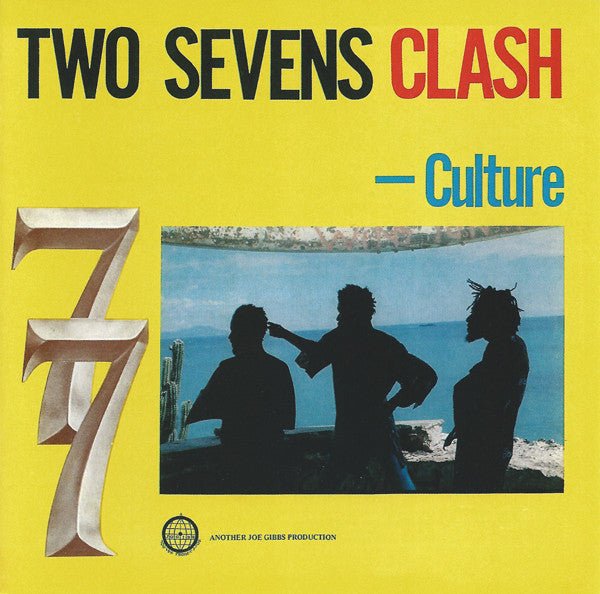
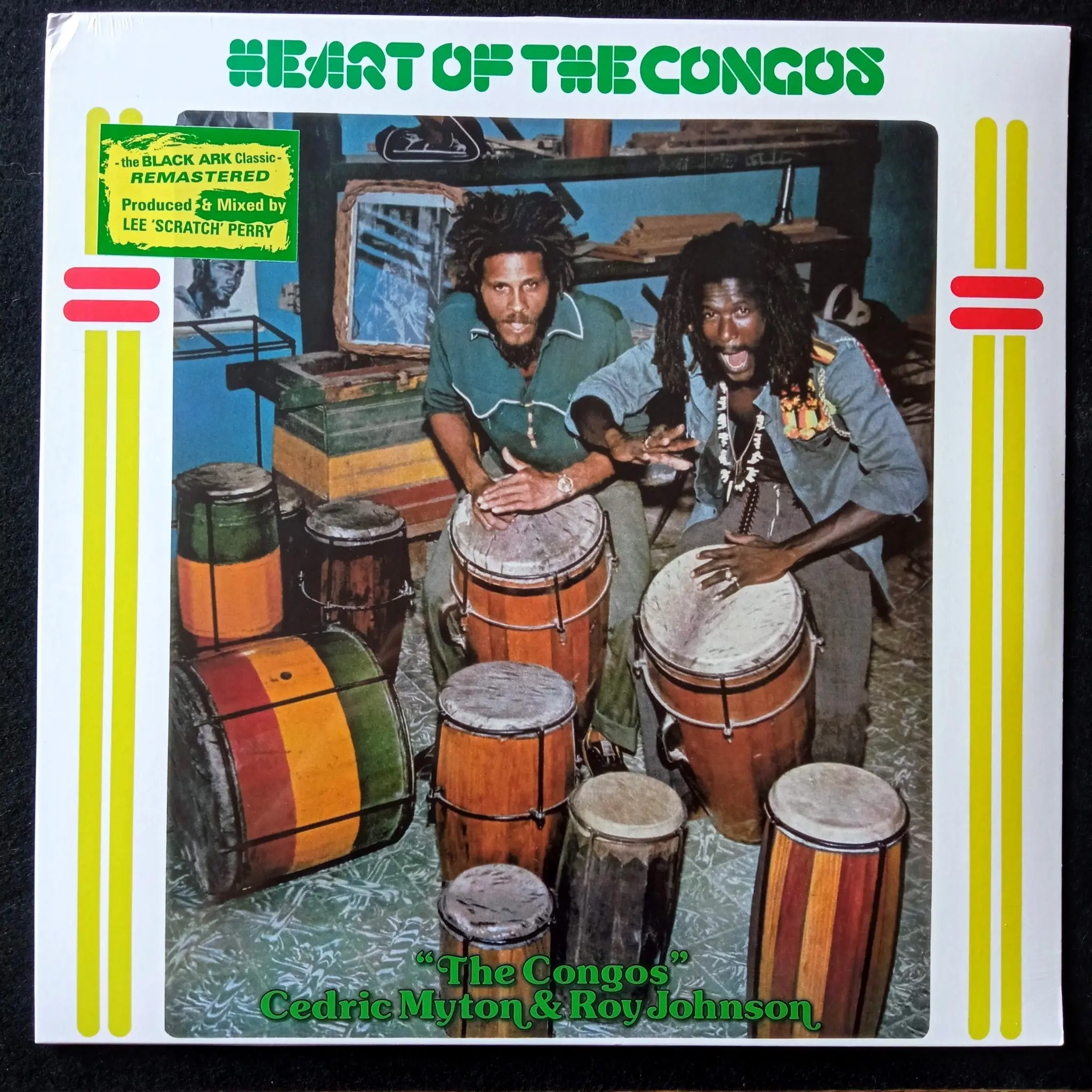
For a close-up of prophecy, harmony and Joe Gibbs-era recording, start with Culture’s Two Sevens Clash in The Vault, then read the Culture roots reggae Deep Dive for its wider setting. For a contrasting world of piercing falsetto, layered vocals and Lee Perry’s Black Ark sound, play the Congos’ Heart Of The Congos, then follow the Congos roots reggae Deep Dive. Treat these as entry points, not endpoints — the archive rewards comparison, and one good record always points you toward three more.
A producer’s name is worth clocking too. Studio One, Joe Gibbs, Channel One, Lee Perry’s Black Ark, Treasure Isle and other studios and labels each gave artists a distinct sonic home. Don’t file roots reggae music away as only a vocalist’s category — session musicians, engineers, arrangers, sound systems and producers all had a hand in turning a lyrical message into a physical atmosphere you could actually feel in a room.
How to Listen to Roots Reggae Music
On the first play, resist the urge to chase every word. Let the rhythm show you where the song actually lives. Notice whether the bass moves in long phrases or tight repetitions. Feel where the drums land. Listen for the guitar’s offbeat cuts and for the moments where a harmony group leaves an answer hanging in the air, unresolved on purpose. This is one of the simplest ways into roots reggae music: follow the rhythm before naming the style.
On the second play, come closer to the vocal. Is it testimony, warning, praise, a history lesson, a call to action or a love song — or, quite often, some blend of two at once? A roots reggae lyric can be direct, but its imagery may also work through biblical reference, Jamaican patois, proverb and repetition. The same line can gain force simply because the rhythm returns beneath it, not because the lyric itself has changed at all.
On the third play, follow the production. Is the record dry and close, or drenched in echo? Are the drums crisp, rolling or militant? Does the arrangement open up at the chorus, or stay locked on one insistent figure the whole way through? This is the bridge to dub: it grows out of these same recorded rhythms, then reimagines their balance, space and emphasis from the mixing desk itself.
Roots Reggae, Dub and Rocksteady
Roots reggae
First thing to hear: weighty rhythm, vocal message, deliberate space and a strong sense of purpose. This is the broad roots reggae music current explored in this guide, with many approaches inside it.
Dub reggae
First thing to hear: instruments, effects and empty space reshaping a recorded rhythm. Dub often uses roots rhythms as raw material, but makes the mixing desk part of the composition. [1]
Rocksteady
First thing to hear: a slower, bass-forward late-1960s sound with major emphasis on singers and harmony groups. Rocksteady is a key predecessor that helped make room for the bass, drums and vocal focus reggae developed further. [1] [2]
These categories overlap on purpose, because Jamaican music develops through musicians, studios and recurring rhythms, not sealed compartments with locked doors. Use them to ask better listening questions — not to police the borders of a record collection that was never meant to have borders in the first place.
Start with a Roots Reggae Playlist in the Vault
Start with Culture if you want harmonies and prophecy, then move to the Congos for a dense, otherworldly Black Ark production. Follow that with the roots reggae playlist: Classic Roots Reggae (1970–1979). This roots reggae music listening route lets you hear changes in tempo, bass language, vocal arrangement and studio space from one record to the next. The goal isn’t finding one “pure” roots sound — it’s hearing how many different ways a record can be heavy, conscious and alive, all at once.
Roots Reggae FAQ
Why is it called “roots reggae”?
The term generally points to the strand of reggae most closely associated with the 1970s: Rastafari-inflected language, conscious or socially engaged lyrics, heavyweight rhythms, and an emphasis on African heritage and liberation. It’s a practical historical label, not a strict technical category agreed on in every context. [1]
Is all roots reggae Rastafari music?
Rastafari sits at the centre of much roots reggae, and of the language in many of its key records, but the music shouldn’t be flattened into a single identity or belief system. Artists, musicians and listeners each carry different relationships to Rastafari, religion, politics and community. Hear the particular record before making a general claim about the genre. [1] [2]
Is all 1970s reggae roots reggae?
No. The 1970s also hold lovers rock, dub, early dancehall developments , instrumental music and plenty of other approaches sitting right alongside roots recordings. “Roots” describes a strong current of the period — it doesn’t erase how varied that decade actually was. [1] [2]
What’s the actual difference between one-drop, rockers and steppers?
One-drop, tied to Carleton Barrett’s drumming with the Wailers, holds back the expected downbeat for a spacious, swaying feel. Rockers, associated with Sly Dunbar and Robbie Shakespeare, pushes the pulse forward with more insistence. Steppers takes that further into a relentless, marching drive. None of these are rigid categories a song must fit into — they’re a vocabulary for describing what your body is already feeling. [1]
Where should I go next?
Move into how roots reggae music becomes dub at the mixing desk to hear what happens when a rhythm gets remade. The forthcoming Rocksteady guide will take you back toward the slower, bass-forward music that helped set the stage for reggae in the first place.