Part One: Before the Date Became a Legend
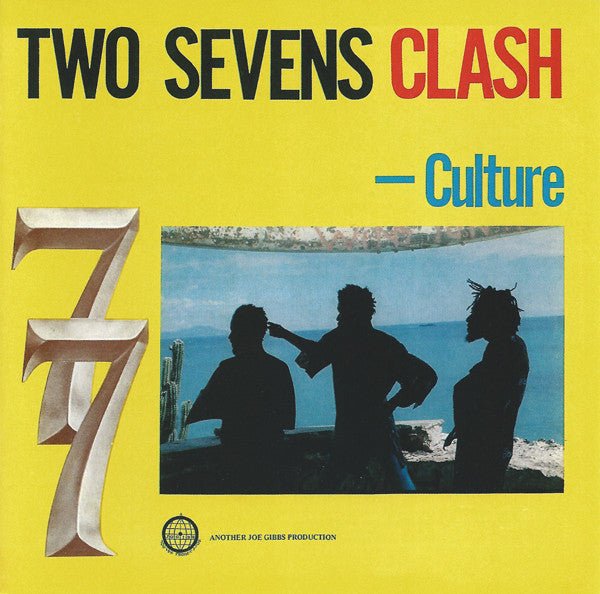
Some records become important because they capture a scene. Two Sevens Clash did something stranger: it made a date feel charged before the date had even arrived. The album’s title track gave a line of prophecy a rhythm, a chorus, and a route through Jamaica’s sound systems. Once that happened, the phrase stopped belonging only to books, sermons, or conversation. It became public sound.
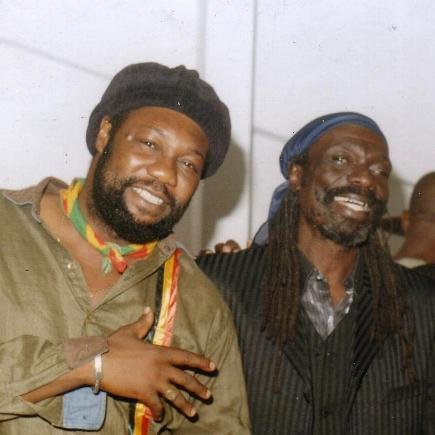
Culture were still a young group when the single appeared. Joseph Hill, Albert Walker, and Kenneth Dayes had formed the trio in 1976, bringing a close, high-pressure harmony style to material rooted in Rastafari, Garveyism, everyday Jamaican speech, and the historical memory of displacement.[1] Their sound was not sweetened in the manner of a pop vocal group. Hill’s lead is rough-edged, sometimes almost spoken; Walker and Dayes make the refrains feel communal rather than decorative. Their harmonies do not float above the rhythm. They stand inside it.
For a broader listener’s guide to the sound, history and cultural vocabulary behind records like this, explore roots reggae music.
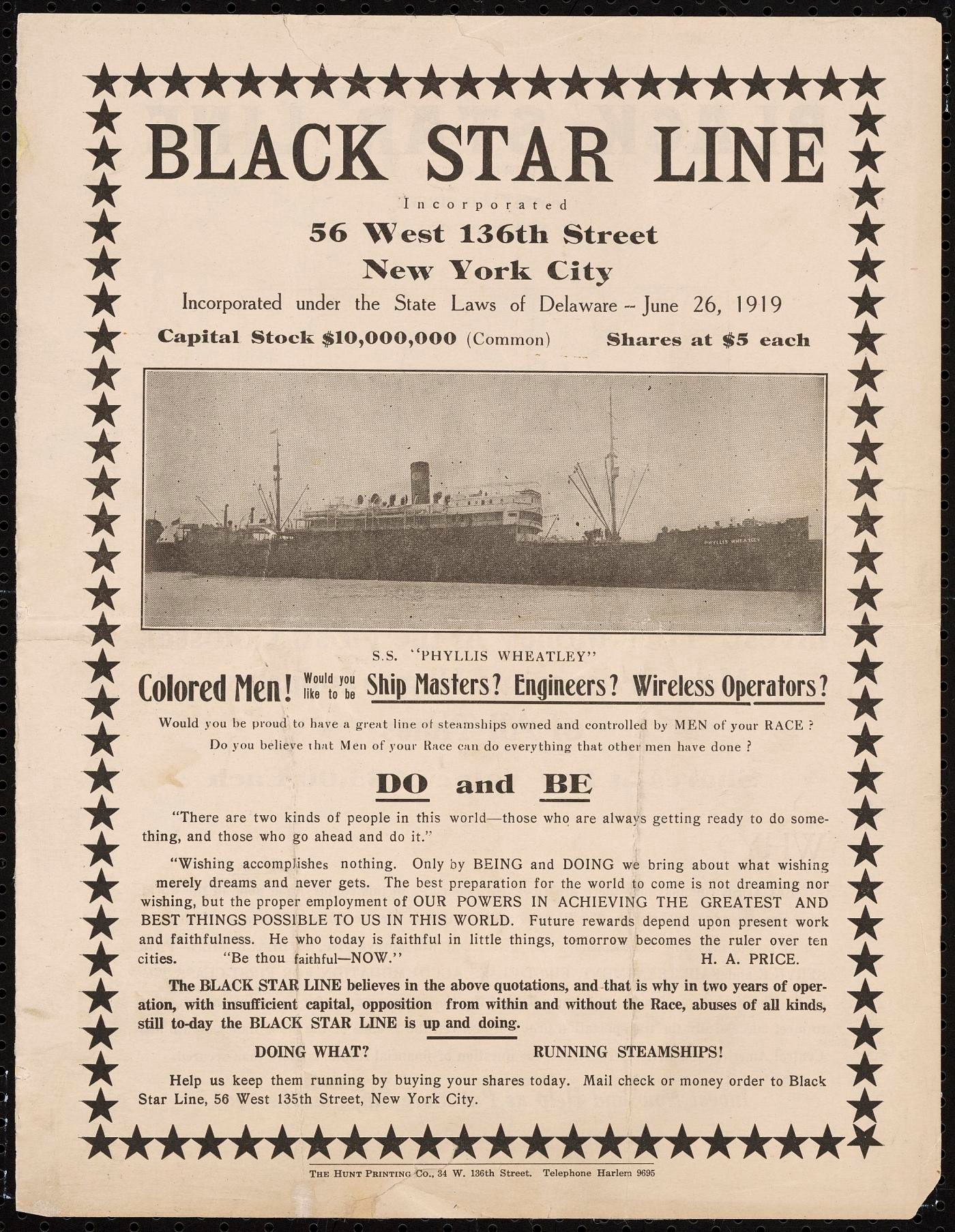
The group’s name was a statement in itself. Culture did not imply nostalgia or folklore. It suggested a way of living, remembering, speaking, and resisting. On this record, that outlook is expressed in the recurring vocabulary of Babylon, Zion, Black Star Line, natty dread, lion, wilderness, and return. The album’s great achievement is that it never presents this language as a museum of symbols. It makes the symbols move.
Part Two: What “Two Sevens” Meant
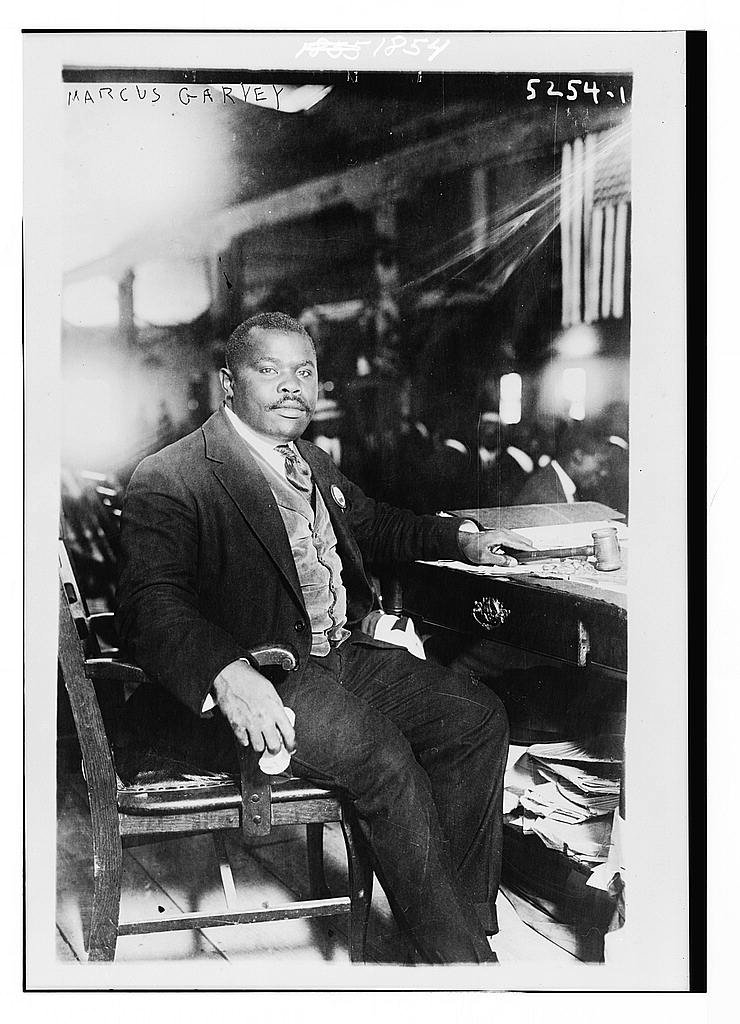
The title refers to a prophecy commonly attributed to Marcus Garvey: when two sevens clash, the ruled will rise against the rulers. By the middle of the 1970s, the phrase had become a potent piece of Jamaican popular memory. Joseph Hill transformed it into the opening warning of the record’s most famous song: “What a livin’ and bam-bam / when the two sevens clash.”[1]
It is important to be precise about the story that followed. The song did not invent fear from nowhere; it entered a Jamaica already shaped by political violence, economic pressure, class division, and intense spiritual expectation. NPR’s 2007 account describes the single becoming a requested sound-system staple and reports that, on 7 July 1977, Kingston was widely remembered as a city where many residents remained indoors in anticipation of the day’s significance.[1] The event did not deliver an apocalypse. What it revealed was the practical force of a song when its message is taken seriously enough to reorganise a city’s imagination.
Hill’s writing never treats the date as a mere gimmick. “Two Sevens Clash” is built from a tension between dread and instruction. It warns, but it also names a political order. The language of “rulers” and “ruled” points to Garveyite self-determination, while the repeated phrase “it dread” turns historical danger into a physical feeling: a bass-heavy pressure that can be heard as much as understood.
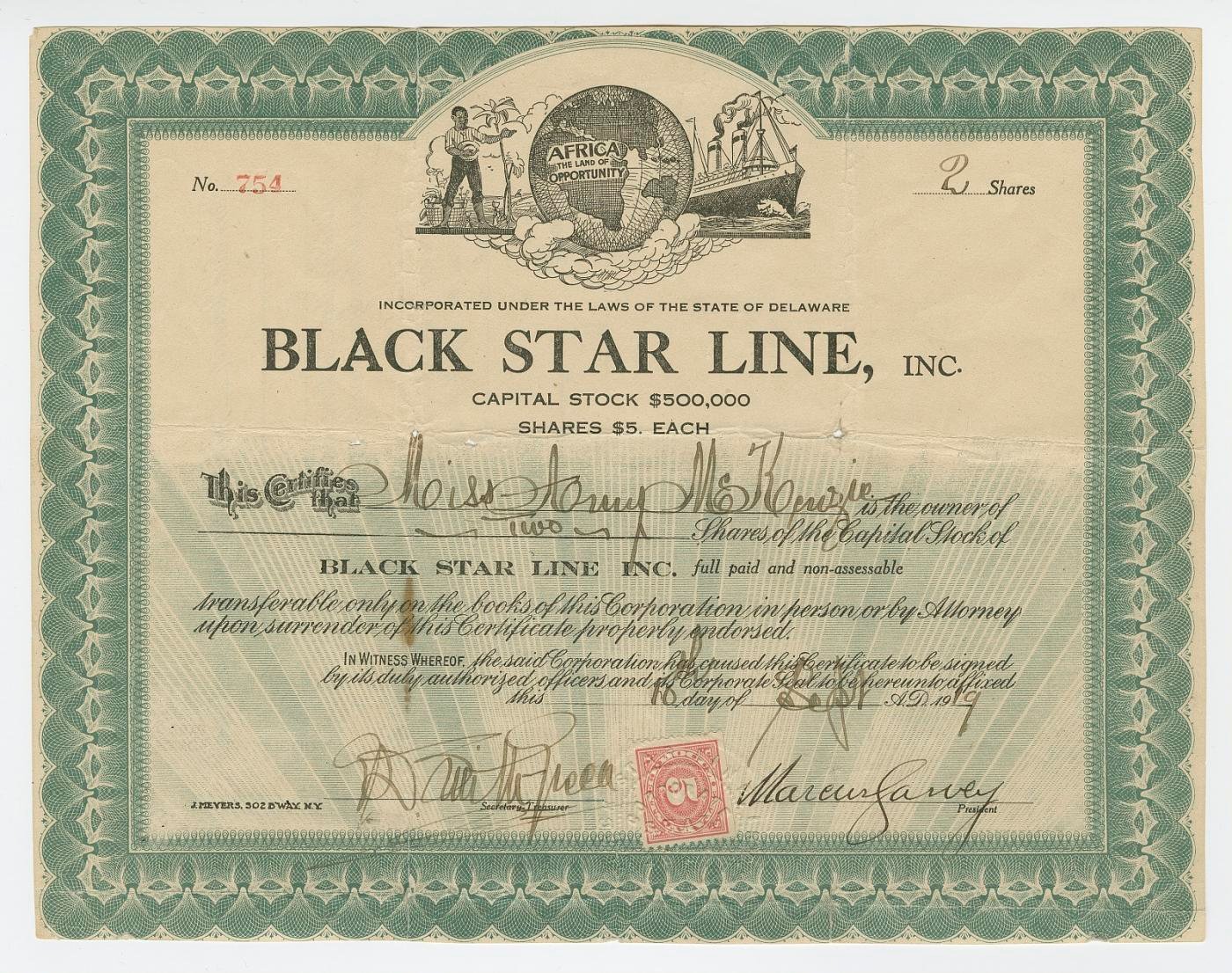
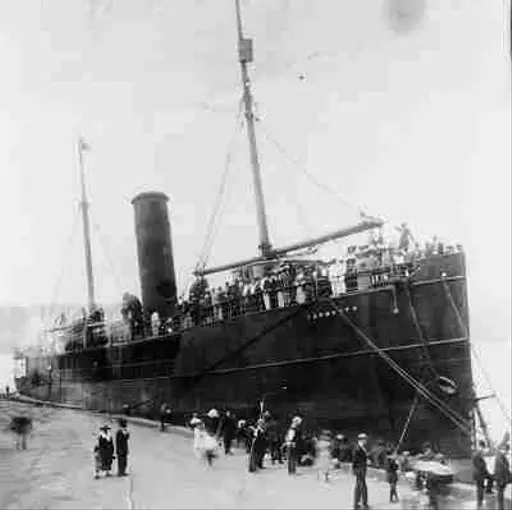
The album expands that one image into a larger spiritual geography. “Black Starliner Must Come” returns to the Garveyite dream of movement and return; “I’m Not Ashamed” makes dreadlocks and Rastafari an open declaration rather than a private identity; “Natty Dread Taking Over” imagines a change in who gets to define public life. This is not prophecy as escape. It is prophecy as a language for describing the present.
Part Three: The Album Is Bigger Than Its Title Track
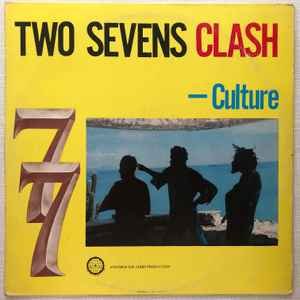
The title track is the doorway, but Two Sevens Clash is not a one-song album built around a famous single. Its ten tracks construct a sequence of warnings, affirmations, and scenes. The first side moves from “Calling Rasta For I” through “I’m Alone In The Wilderness” and “Pirate Days” toward the title song; the second extends the argument through “I’m Not Ashamed,” “Get Ready To Ride The Lion To Zion,” “Black Starliner Must Come,” “Jah Pretty Face,” “See Them A Come,” and “Natty Dread Taking Over.”[2]
That order matters. “Calling Rasta For I” is an invocation rather than an introduction. “I’m Alone In The Wilderness” turns separation into a spiritual state. “Pirate Days” remembers theft and dispossession in language that feels at once historical and immediate. By the time “Two Sevens Clash” arrives, the listener has already entered the record’s moral climate.
Then comes the release. “I’m Not Ashamed” is one of the album’s great declarations: Hill does not plead for the right to be Rasta; he states it. The refrain is unadorned, but the delivery carries the force of a crowd answering back. “Black Starliner Must Come” gives the album one of its most durable melodic images. “See Them A Come” and “Natty Dread Taking Over” close not with a tidy resolution but with momentum. The future has not arrived. It is approaching.
This is why the album continues to feel so complete. Its songs are not separate messages arranged around a hit. They speak to one another. Each track changes the emotional weight of the next: wilderness becomes gathering, gathering becomes warning, warning becomes self-possession, and self-possession becomes movement.
Part Four: Joe Gibbs, Errol Thompson, and the Weight Beneath the Voices
Culture supplied the worldview, but Joe Gibbs and the musicians gave that worldview its physical force. The album was produced by Gibbs, with Gibbs and Errol Thompson credited as arrangers. The personnel associated with the record include Lloyd Parks on bass, Sly Dunbar on drums, Herman Marquis on alto saxophone, and Eric Lamont on guitar.[2] It is a studio cast capable of enormous technical display, yet the production never feels crowded.
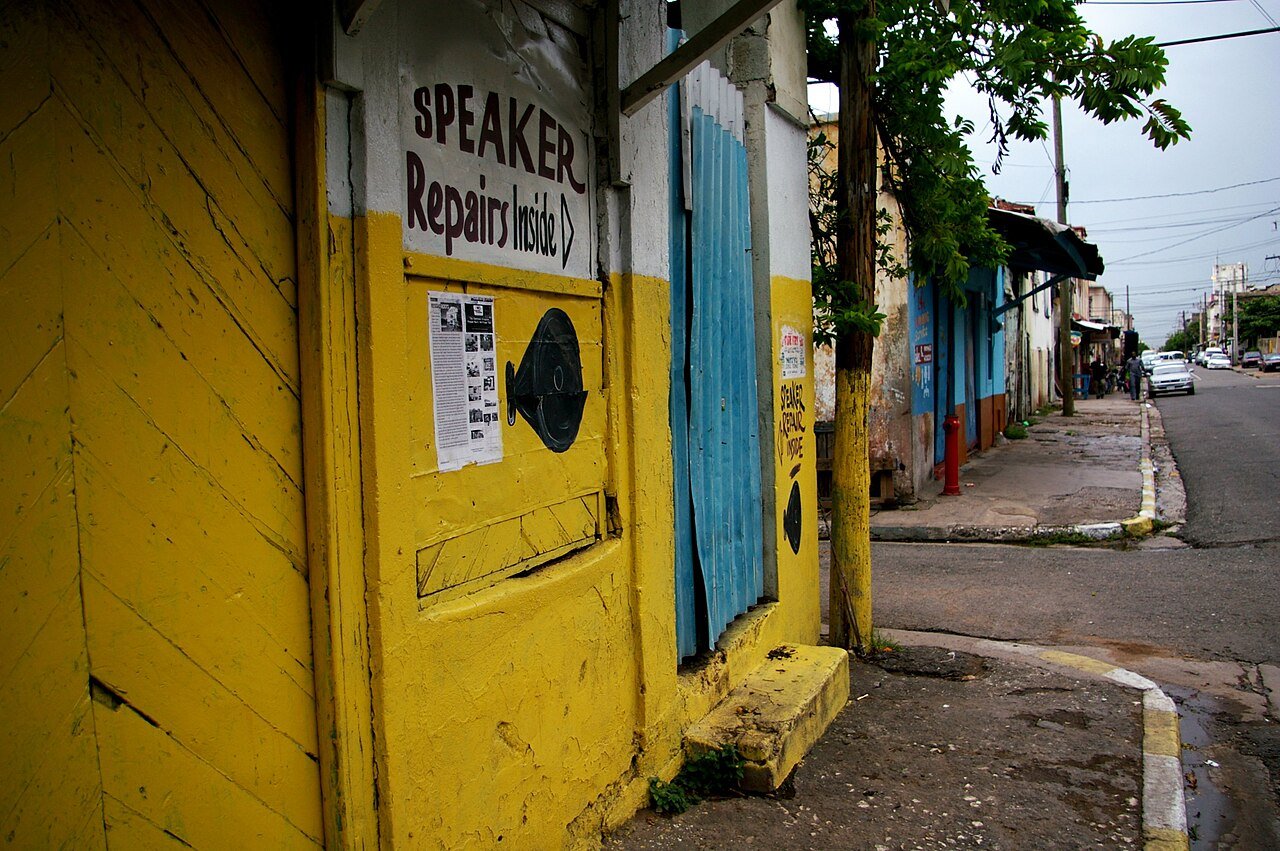
The rhythm section is the album’s argument in miniature. Bass lines do not merely support the harmony; they make time feel weighted. Drums move with discipline rather than spectacle. Guitar and keyboard parts often arrive as fragments, leaving air around Hill’s voice. This restraint is one reason the songs can carry so much language without becoming heavy-handed. The music already understands the space between statement and echo.
Errol Thompson’s contribution matters especially here. The record comes from the same Jamaican studio culture that would make dub’s manipulations of space increasingly central, but Two Sevens Clash is not a dub album. Its production uses separation, drop-out, and low-end authority in service of a vocal group. The result is a roots record that feels architecturally aware: every instrument has a place, and every place has political pressure.
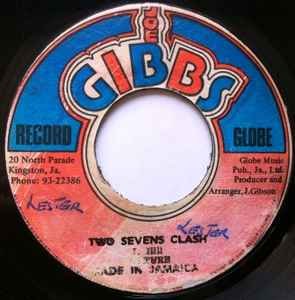
Joe Gibbs’ studio world had room for many kinds of Jamaican music, but Culture’s record found a specific balance within it. The arrangements are neither austere nor overproduced. Horns, organ, guitar, and percussion appear with purpose. The sound is militant without becoming stiff; devotional without becoming soft.
Part Five: From Kingston’s Sound Systems to Punk Britain
The record’s first life was Jamaican. Its second life became international. According to NPR, the song’s impact in Jamaica helped create the demand for the full album; the record then travelled far beyond the island.[1] In Britain, it met an audience already looking for music that spoke in direct opposition to established power.
The connection with punk is often reduced to a list of names, but the affinity was more than fashion. Both roots reggae and punk could make a virtue of economy: a hard rhythm, an unvarnished voice, an anti-establishment message. Don Letts later described the impact of dropping “Two Sevens Clash” for punk audiences in London in emphatic terms; for many listeners, it sat naturally beside the Sex Pistols and The Clash.[3]
That cross-pollination should not erase the record’s Jamaican specificity. Culture did not become important because punk listeners approved of it. The album mattered before that approval, because it came from a real Jamaican spiritual and political vocabulary, a sound-system route, and a culture of roots music already speaking intensely to its own conditions. Punk widened the record’s audience; it did not give the record its meaning.
Still, the later British reception tells us something useful. Two Sevens Clash could cross scenes because its urgency was legible without translation. A listener did not need to share every theological reference to understand the force of Hill’s delivery, the pressure of the bass, or the feeling that “Babylon” named an order that deserved to be challenged.
Part Six: Why the Record Endures
Two Sevens Clash lasts because it refuses the false choice between message and music. It is full of historical memory, spiritual conviction, and political language, but none of that survives here as a lecture. The songs work because their melodies, harmonies, bass lines, and repeated phrases make the ideas memorable enough to live outside the moment that produced them.
Joseph Hill’s voice is central to that endurance. It has authority without polish for its own sake. He sounds like someone reporting from inside the condition he describes. Albert Walker and Kenneth Dayes are not simply backing singers; they make the record’s convictions social. Their responses turn Hill’s lead into a collective statement, which is why the songs continue to feel built for a gathering even when heard alone.
The album has also endured because every new generation finds a different entry point. Some come through the Garvey prophecy and 7/7/77. Some come through the bass and the roots rhythm. Some come through punk’s embrace of the record. Some arrive through a reissue, a sound-system set, or a late-night playlist. The important thing is that the album still has something to say once they arrive.
The prophecy did not need to come true in the literal way listeners feared. Culture made it true as music. When “Two Sevens Clash” begins, a date becomes a drum pattern, a remembered warning becomes harmony, and history becomes something listeners can carry forward.
What to listen for
| Moment | Listen for | Why it matters |
|---|---|---|
| “Calling Rasta For I” | The group’s opening vocal blend and ceremonial pacing | The album begins as an invocation, not a commercial hook. |
| “Two Sevens Clash” | Hill’s warning tone, the bass pressure, and the repeated refrain | The hit is a complete social atmosphere, not merely a chorus. |
| “I’m Not Ashamed” | The directness of the lyric and the communal response | Identity is stated as public confidence rather than defended as a private choice. |
| “Black Starliner Must Come” | The melodic lift beneath the language of return | Garveyite imagery becomes a memorable pop-scale refrain without losing force. |
| “See Them A Come” / “Natty Dread Taking Over” | The forward motion in the final sequence | The album closes by making prophecy feel active rather than sealed in the past. |
Explore further
browse Culture — Two Sevens Clash in The Vault. The full album sits in the archive among the roots recordings that defined its era.
Related Deep Dives
- Continue with The Congos — Heart of the Congos (1977) — another Black Ark-era cornerstone of deep, spiritual roots reggae.